
As the summer season approaches, many people are starting to plan their vacations and travel adventures. Spain continues to be a sought-after destination, offering a diverse range of landscapes, rich cultural heritage, and mouthwatering cuisine. However, amidst the excitement of exploring new places and immersing oneself in the local atmosphere, there is a hidden threat lurking in the shadows – the risk of introducing African swine fever to the country.
African swine fever is a highly contagious and devastating viral disease that affects domestic and wild pigs. Prone to spreading rapidly, this disease has the potential to cause severe economic losses and impact the livelihoods of farmers across the nation. With the increasing number of travelers and potential carriers of the virus, the summer season acts as a catalyst for its spread, making it crucial for tourists to be aware of the risks and take appropriate precautions.
While tourists may not directly encounter pigs during their vacations, it is essential to remember that the disease can be transmitted through contaminated objects or food products. This means that even a seemingly innocent act, such as bringing homemade sausages or cured meats from a different country, can have severe consequences. Therefore, it is vital to adhere to the regulations and restrictions imposed by authorities regarding the importation of animal products to prevent the inadvertent introduction of African swine fever.
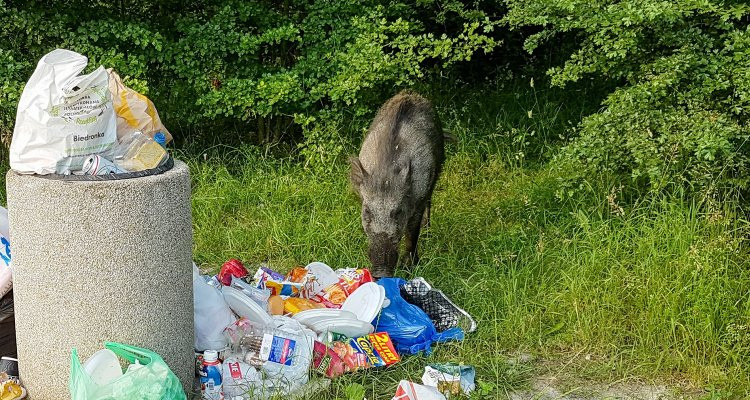
To ensure the safety of Spain’s thriving pig farming industry and preserve the biodiversity of its wildlife, it is necessary for both tourists and locals alike to adopt responsible practices. Tourists can play their part by refraining from feeding wild boars or leaving food scraps in nature reserves, as this could attract and potentially expose them to the virus. Additionally, educating oneself about the symptoms and methods of transmission can help prevent unintentional contamination.
Moreover, it is crucial to support the efforts of veterinary professionals and authorities who work tirelessly to control the spread of African swine fever. By respecting and cooperating with their guidelines, we can contribute to the preservation of Spain’s pig population and the overall ecological balance of the country.
As travelers embark on their summer adventures, it is our responsibility to enjoy the beauty of Spain while being mindful of the potential risks. By incorporating simple yet impactful habits into our travel routines, such as proper waste disposal and following biosecurity measures, we can actively contribute to the protection of Spain’s pig industry and prevent the unwanted introduction of African swine fever.
So, as you plan your summer escape to Spain, remember to not only immerse yourself in the vibrant culture and stunning landscapes but also become an advocate for the preservation of the country’s exceptional biodiversity. Let us be responsible tourists and ensure that every journey we take leaves behind only memories, not unintended consequences for the delicate ecosystem we are fortunate to explore.
” Fuentes www.diarioveterinario.com ”