
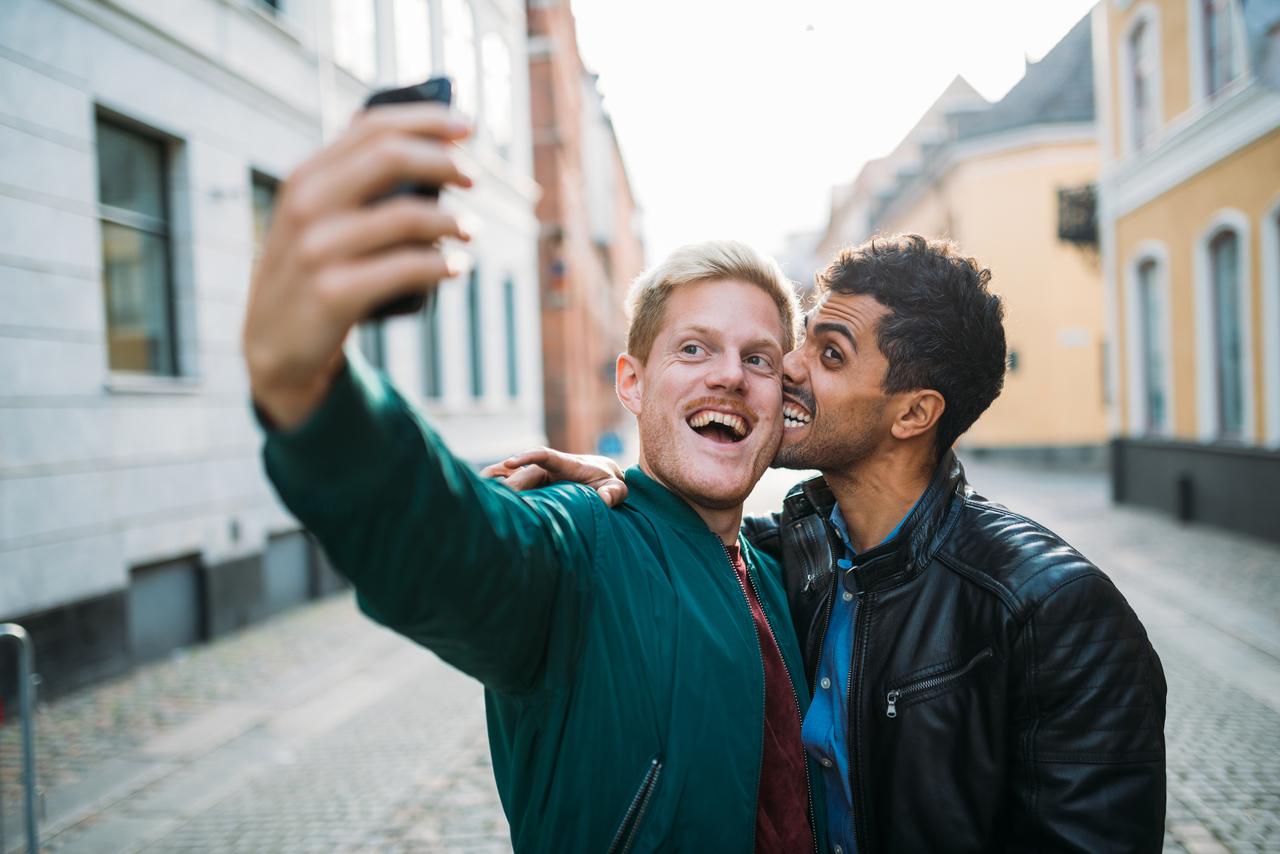
Transforming Tourism: Embracing Digitalization to Enhance the Traveler’s Journey
The rapid advancement of technology has permeated all aspects of our lives, and the world of tourism is no exception. In an era characterized by smartphones, smart homes, and smart cities, it is only fitting that the tourism industry follows suit. Digitalization has emerged as a powerful tool to not only revolutionize the way we travel but also enhance the overall experience of every globe-trotter.
Gone are the days when travelers had to rely solely on guidebooks and word-of-mouth recommendations to navigate unfamiliar territories. With just a few taps on their smartphones, wanderlust enthusiasts can now access a plethora of information, personalized itineraries, and real-time updates, thanks to the wonders of digitalization.
From the moment a travel dream is born, the digital world unfolds an array of possibilities. Online platforms offer inspirational content, showcasing stunning destinations, off-the-beaten-path locations, and unique cultural experiences that ignite the imagination and stir the desire to explore. These virtual gateways act as a window to the world, enticing travelers with captivating visuals and enticing narratives, instilling a sense of excitement and wanderlust within them.
Booking flights, accommodations, and activities have also undergone a radical transformation in the digital era. There is an abundance of websites and apps that enable individuals to compare prices, read reviews, and make reservations with ease. The days of long queues and endless paperwork are long gone, replaced by seamless transactions and instant confirmations. The power to personalize every aspect of a trip is now at the fingertips of every traveler, empowering them to craft their ideal vacation experience.
But digitalization doesn’t stop at mere convenience and efficiency; it goes beyond to provide immersive travel experiences. Augmented reality (AR) and virtual reality (VR) technologies have opened up new dimensions in tourism, allowing travelers to virtually explore destinations before setting foot on foreign soil. Cultural heritage sites, museums, and landmarks are just a few taps away, transporting individuals into a world of virtual wonder.
Moreover, digitalization has sparked a wave of innovation in the hospitality sector. Hotels are embracing smart technology to offer guests an unparalleled level of comfort and convenience. Mobile check-in, keyless entry, and voice-activated room controls have become commonplace, ensuring a seamless and personalized stay. Artificial intelligence-powered chatbots are also making their mark, providing round-the-clock assistance, answering inquiries, and recommending local attractions, all at the touch of a button.
While digitalization undoubtedly brings forth a myriad of benefits to both travelers and tourism service providers, it is crucial to strike a balance between technological advancements and preserving the essence of human interaction. Travel is ultimately about connecting with people, immersing oneself in different cultures, and embracing the authenticity of each destination. It is imperative to harness digitalization as a tool to enhance experiences, rather than replace the human touch that makes travel so rewarding.
As we embark on a new era of tourism, embracing digitalization is the key to unlocking a world of endless possibilities. By leveraging technology, travel becomes not just a physical journey but an immersive and tailor-made adventure that leaves a lasting impact on every individual. From researching dream destinations to creating unforgettable memories, digitalization is revolutionizing the way we travel, ultimately enabling us to explore, connect, and broaden our horizons like never before.
” Sources www.telefonica.com ”