
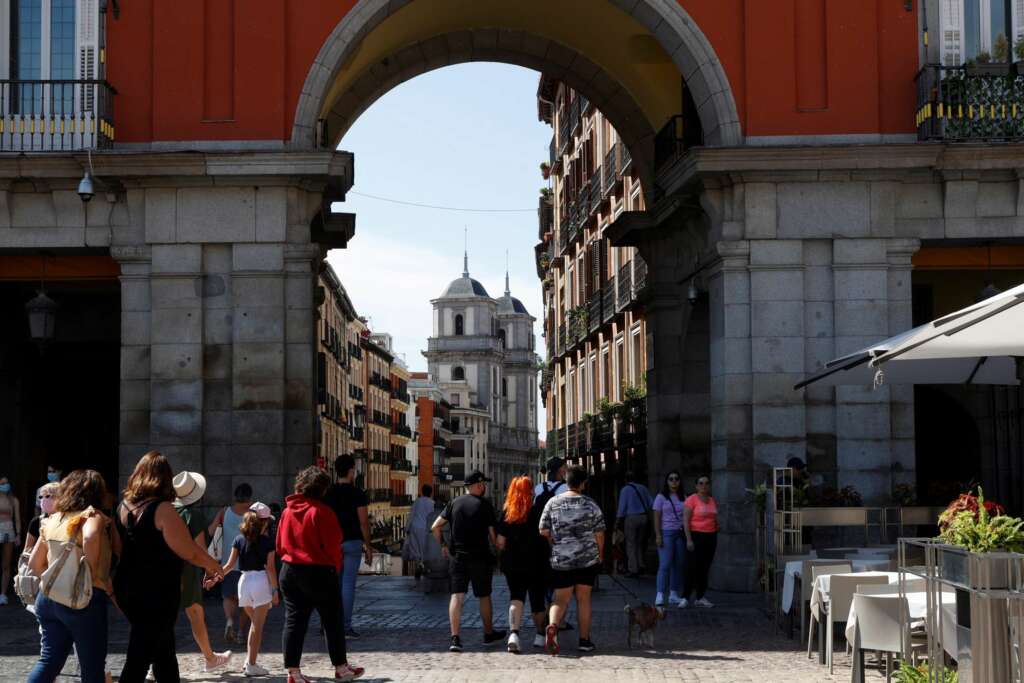
The tourism industry has always been synonymous with being one of the main drivers of economic growth for countries around the world. However, recent studies suggest that the impact of tourism on inflation may be greater than we thought.
The influx of tourists into an area can cause an increase in demand for goods and services, leading to a rise in prices. This, in turn, can increase the cost of living for locals and tourists alike. While a temporary increase may benefit local businesses, long-term price increases can ultimately dissuade visitors from returning and harm the tourism industry overall.
The problem is further compounded by the fact that tourism is often heavily concentrated in certain areas, leading to overcrowding and strain on resources. When supply does not meet demand, prices inevitably rise. Some popular tourism hotspots are even implementing crowd-control measures to try and manage capacity and limit the negative impact on both locals and tourists.
However, not all hope is lost. There are measures that can be taken to mitigate the effects of tourism on inflation. Governments can invest in infrastructure, such as transportation and accommodations, to help spread tourism throughout a region and reduce overcrowding in popular areas. Local businesses can also focus on sustainable tourism practices to help maintain a balance between economic growth and preserving the integrity of local culture and resources.
Tourism is a vital contributor to our global economy, but we must be mindful of its potential negative impact on inflation and take steps to ensure sustainable growth for all involved.
” Sources www.economiadigital.es ”