

Everyone knows somebody with uncommon or excessive meals preferences. Maybe they pour salt throughout every thing. Perhaps they eat cake for dinner. Or, they may ask for max spiciness in all their meals.
Are these merely preferences? Or would possibly they reveal one thing extra about our personality? In a current article, Spence (2022) reviewed the present analysis on character and meals preferences, uncovering 9 issues that our tastes might reveal about our character. Primarily based on the analysis, in case you like…
- Bitter meals, it’s possible you’ll be a bitter individual. In different phrases, you might have better ranges of delinquent or psychopathic traits. A study surveyed 953 People and located that after controlling for preferences for candy, bitter, and salty tastes, preferences for bitter meals predicted delinquent traits, particularly psychopathy, aggression, and particularly on a regular basis sadism, or experiencing pleasure from different folks’s ache in on a regular basis life. As well as, the choice for bitter style was negatively related to agreeableness. This choice goes towards organic instincts, as bitterness usually signifies toxicity. The researchers, subsequently, counsel that bitter preferences could be discovered. As an example, people who find themselves extra psychopathic might get pleasure from bitter meals because of the unpleasantness that the meals causes others. As well as, consuming bitter meals has been present in previous research to trigger hostility.

When you’ve got a candy tooth, you could be a candy individual.
Supply: NoName_13/Pixabay
- Candy meals, it’s possible you’ll be a sweetheart. In direct distinction with bitter preferences, preferences for sweetness are associated with greater prosociality. We additional stereotype those that have a candy tooth as kinder. As with bitter meals, there’s a bidirectional relationship between candy meals and character such that consuming candy meals could cause us to be extra agreeable and useful. The researchers level out that sweetness is universally comforting and rewarding, and that we frequently name our family members candy nicknames akin to “sweetheart,” “sweetie pie,” and “honey bun.”
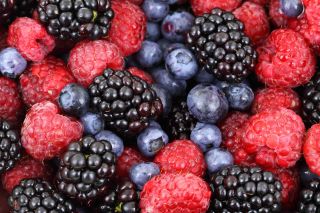
Consuming vegatables and fruits is said to better openness, extraversion, and conscientiousness.
Supply: PublicDomainPictures/Pixabay
- Wholesome meals, it’s possible you’ll be extra open, extroverted, or conscientious, or it’s possible you’ll be happier. A study of over 1,000 young adults discovered that consuming vegatables and fruits was associated to better openness, extraversion, and to a lesser extent, conscientiousness; however not neuroticism or agreeableness. The researchers counsel that being extra clever, curious, and social might translate to more healthy consuming, maybe as a result of folks with these traits are extra prepared to experiment with completely different vegatables and fruits. As well as, a separate study discovered that individuals who have been in a extra constructive temper most well-liked more healthy meals.
- Spicy meals, it’s possible you’ll be better in sensation-seeking and salivary testosterone. There’s something thrilling about pushing oneself to the restrict. In lots of cultures, males usually tend to be pushed to such extremes in the case of spiciness. Accordingly, a laboratory study of 114 men discovered that these with better salivary testosterone used extra tabasco sauce on their mashed potatoes.
- Doubtlessly harmful meals, akin to alcohol or shellfish, it’s possible you’ll be better in sensation-seeking. A study of 303 participants discovered by way of questionnaires that individuals who favor probably harmful meals/drinks (i.e., meals that might make us in poor health), together with alcohol and shellfish, have been greater in sensation-seeking.
- Bland meals, or meals much less prone to make you sick, it’s possible you’ll be decrease in sensation-seeking. Unsurprisingly, the same study discovered that individuals who favor bland, or “safe” meals (i.e., meals that may not make us sick), akin to bread and corn, have been decrease in sensation-seeking.
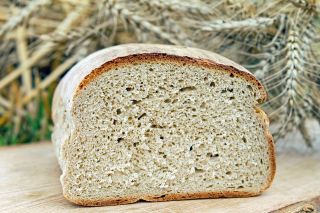
Individuals who like bland meals like bread are decrease in sensation-seeking.
Supply: Couleur/Pixabay
- Caffeine, it’s possible you’ll be better in sensation-seeking. A laboratory study of 20 adults discovered that preferences for caffeine predicted better sensation-seeking, maybe because of the stimulating results of caffeine.
- Salty meals, it’s possible you’ll be extra of a novelty-seeker. Sadly, this curious finding has not been defined and ought to be replicated in future research.
- Fewer meals, it’s possible you’ll be extra anxious. Choosy consuming displays anxious personalities. A study of 318 college students discovered that extra anxious people had a better variety of meals aversions, maybe as a consequence of neuroticism and a scarcity of “emotional control.” The commonest meals aversions on this research (out of a guidelines) have been brains, buttermilk, and kidneys. Picky eaters may also be supertasters, or individuals who have extra style buds and thus expertise flavors at a better depth.
When you’ve got a candy tooth, you could be a candy individual.
Supply: NoName_13/Pixabay
Consuming vegatables and fruits is said to better openness, extraversion, and conscientiousness.
Supply: PublicDomainPictures/Pixabay
Individuals who like bland meals like bread are decrease in sensation-seeking.
Supply: Couleur/Pixabay
Total, these findings point out the significance of character in our meals preferences and will result in efficient methods of encouraging folks to eat more healthy meals. For instance, if somebody refuses to attempt new wholesome meals, one may particularly goal their nervousness or different adverse feelings. If somebody has a behavior of ingesting an excessive amount of caffeine, one would possibly assist them to seek out new sources of pleasure. However, if we want for somebody to be extra agreeable, we may give them some cookies.
But, there are some gaps on this analysis. First, research ought to look at whether or not these relationships are constant throughout cultures, as tradition shapes our meals preferences. As an example, in some cultures, spicy meals and bitter meals are a standard a part of the diet. Second, most of those research concentrate on style, whereas our preferences for texture might also mirror our personalities. Hopefully, future research will examine these questions.
‘ The preceding article may include information circulated by third parties ’
‘ Some details of this article were extracted from the following source news.google.com ’